Dentists Say These 5 Habits Could Be Damaging Your Gums

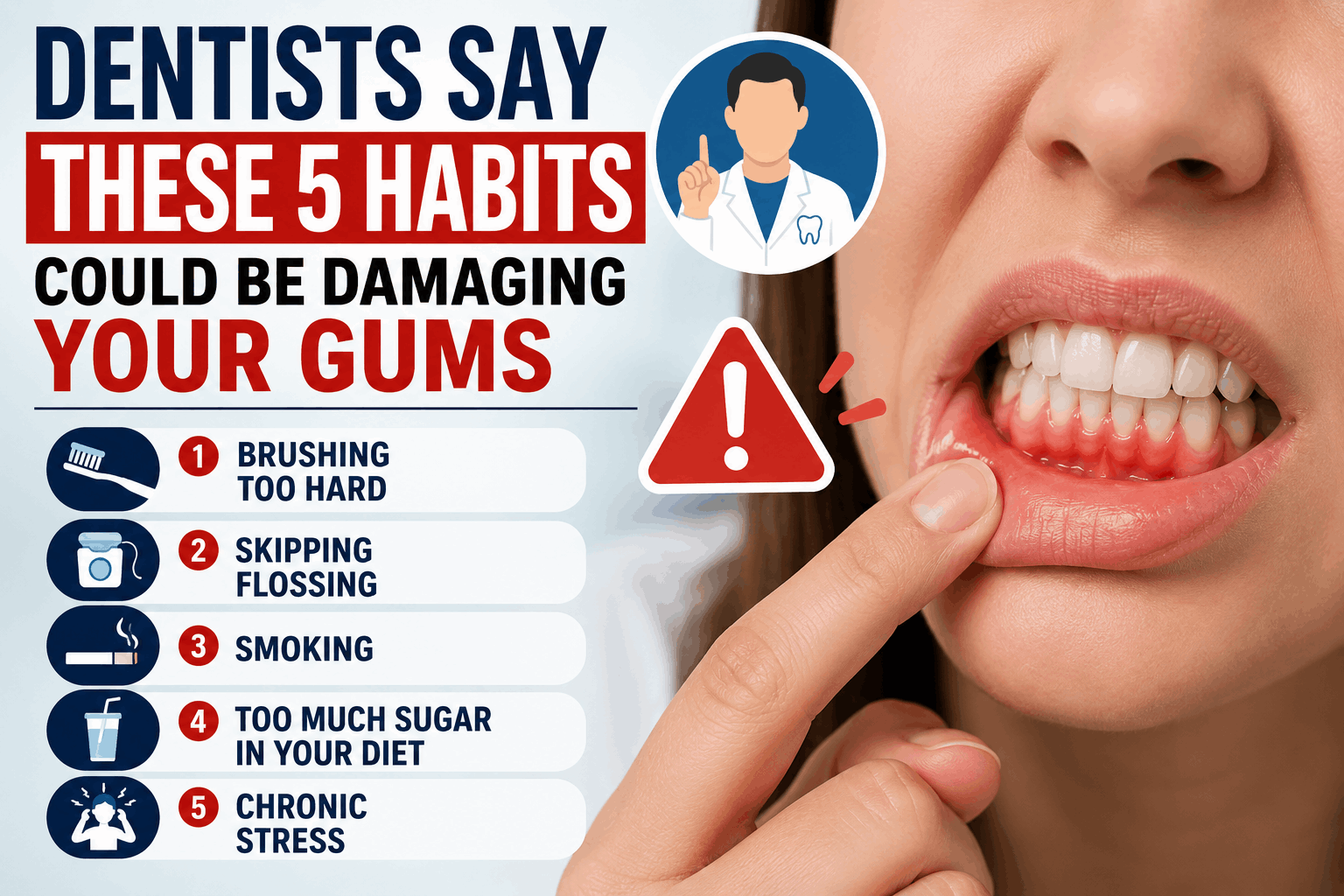
Dentists Say These 5 Habits Could Be Damaging Your Gums

Are Your Daily Habits Secretly Hurting Your Smile?

When most people think about oral health, they focus on brushing their teeth and avoiding cavities. But according to dental professionals, healthy gums are just as important—if not more important—than healthy teeth.

Your gums act as the foundation for your entire smile. When they become irritated, inflamed, or infected, the consequences can go beyond bad breath and bleeding gums. Poor gum health has been linked to tooth loss and may even impact overall wellness.

The surprising part? Many people unknowingly practice habits every day that can damage their gums over time.

If you've noticed bleeding when brushing, persistent bad breath, gum sensitivity, or redness around your teeth, one of these common habits could be the culprit.

Let's explore the five habits dentists frequently warn about—and what you can do to protect your gums.

Habit #1: Brushing Too Hard

Many people assume that brushing harder means cleaning better.

Unfortunately, the opposite is often true.

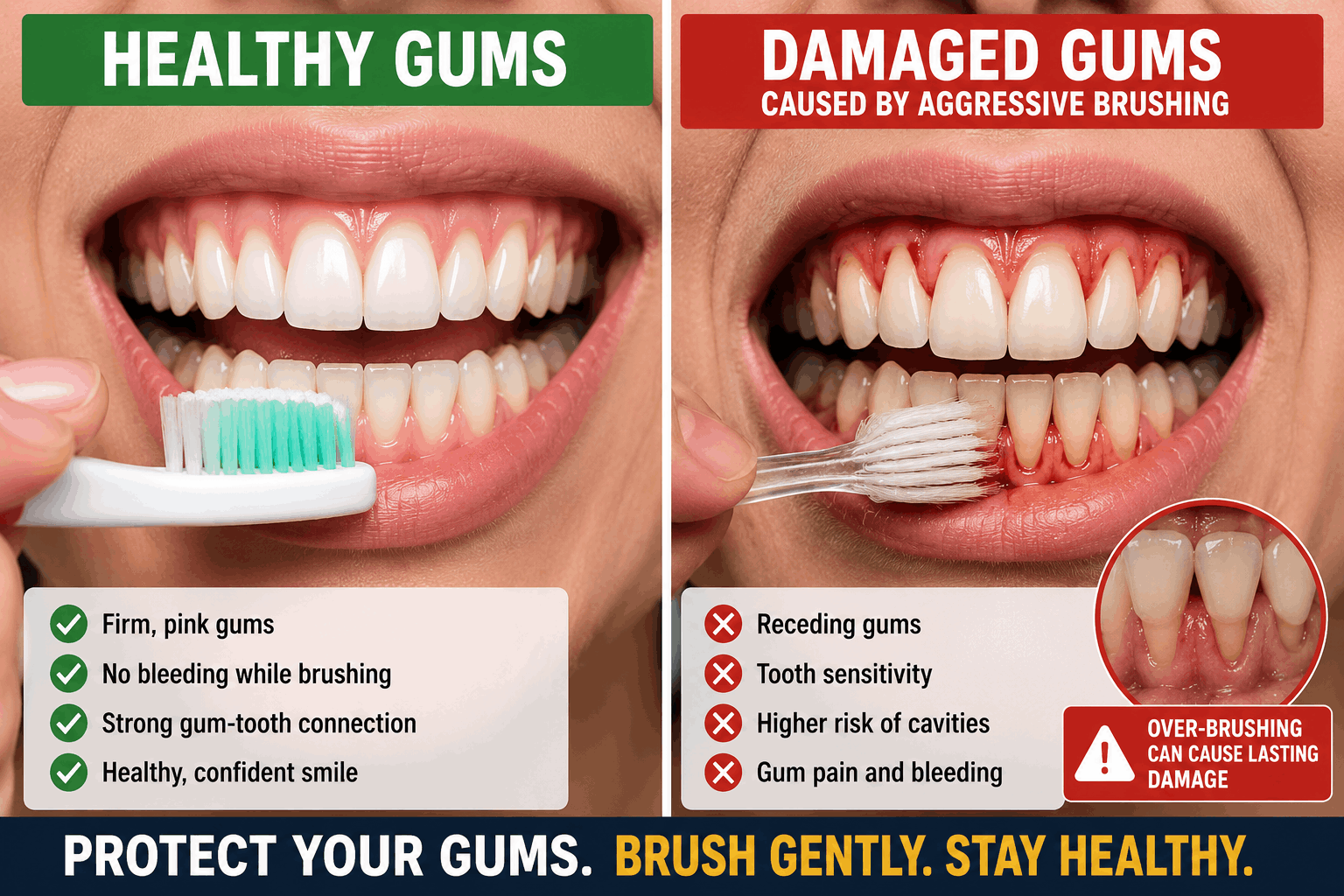
Aggressive brushing can wear down gum tissue and cause gum recession, exposing sensitive areas of the teeth. Over time, this can increase tooth sensitivity and create spaces where bacteria can accumulate.

Signs You're Brushing Too Hard

  • Gums that bleed frequently
  • Tooth sensitivity
  • Receding gum line
  • Frayed toothbrush bristles after a few weeks

What Dentists Recommend

Use a soft-bristled toothbrush and gentle circular motions rather than scrubbing back and forth aggressively. Think of brushing as massaging your gums rather than scraping your teeth.

Habit #1: Brushing Too Hard

Habit #2: Skipping Flossing

Brushing alone cannot effectively clean between your teeth.

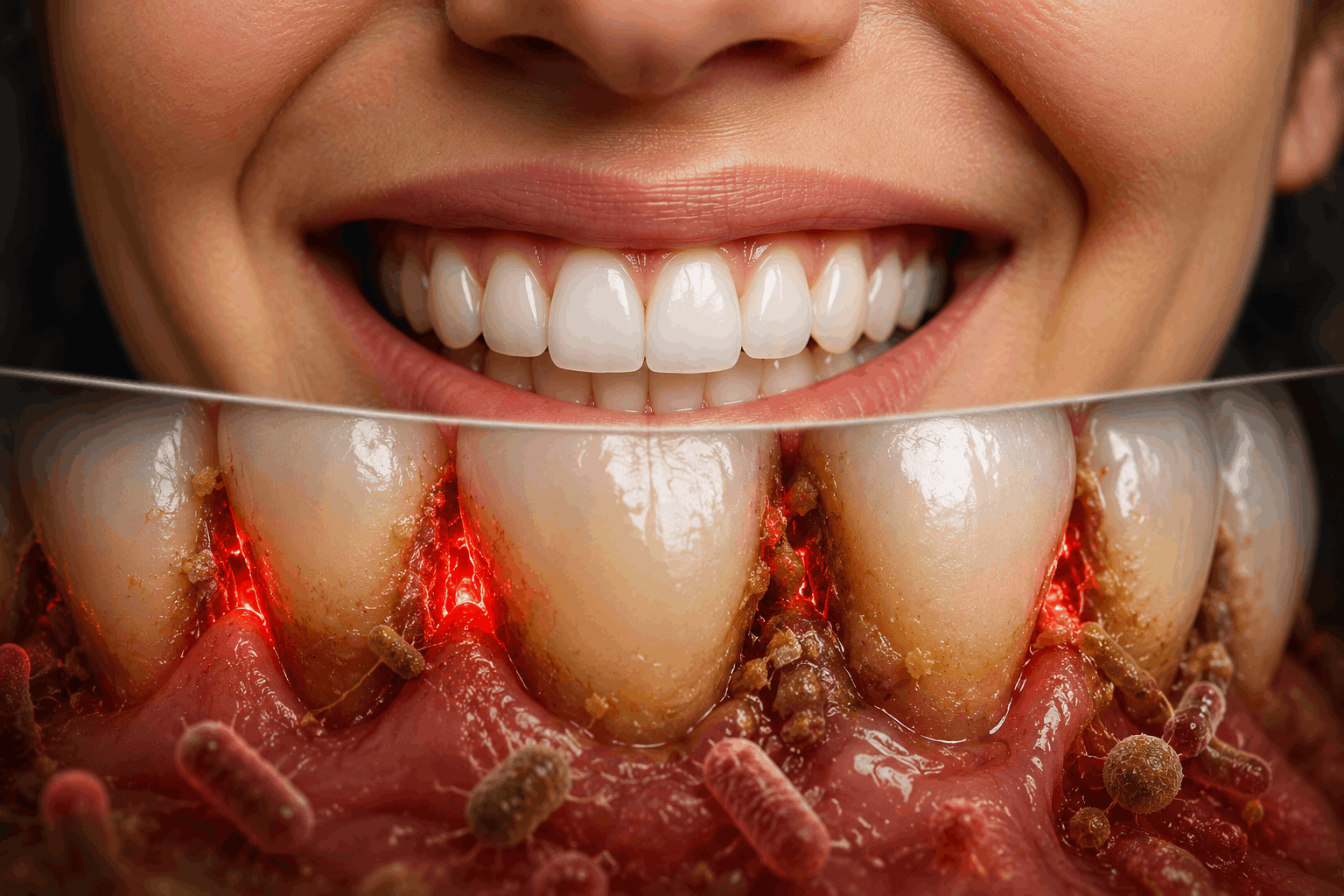
Food particles and plaque often become trapped in areas that toothbrush bristles simply cannot reach. When left untreated, bacteria begin to multiply and irritate the gums.

This irritation can eventually lead to gingivitis—the earliest stage of gum disease.

Signs You May Need to Floss More


  • Bad breath
  • Bleeding gums
  • Swollen gum tissue
  • Food constantly getting stuck between teeth
Why It Matters

Studies have shown that plaque accumulation between teeth is one of the leading causes of gum inflammation. Even brushing twice a day may not be enough if flossing is neglected.

Skipping Flossing Result

Habit #3: Consuming Too Much Sugar

Most people know sugar can contribute to cavities.

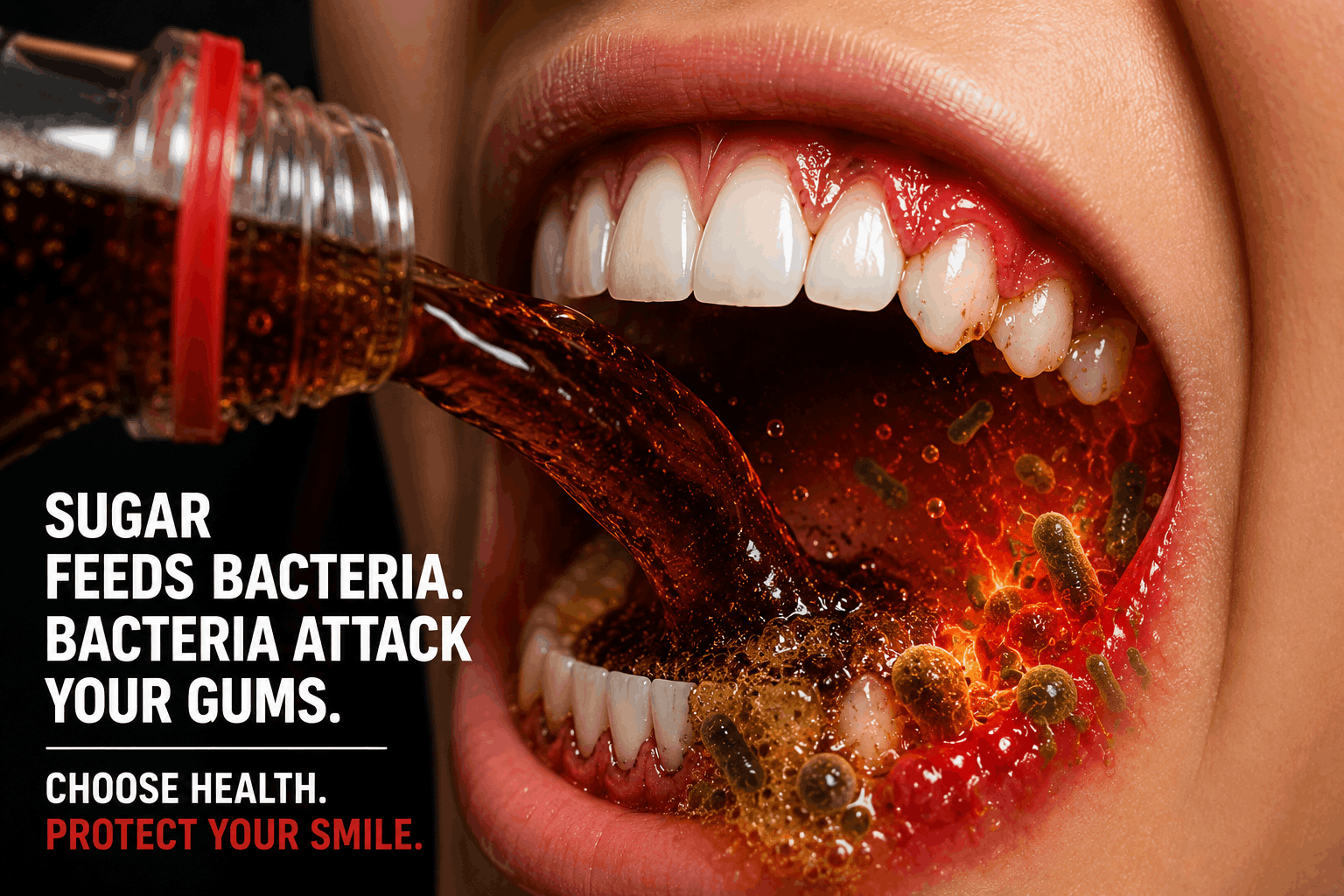
What many don't realize is that sugar also fuels harmful bacteria living in the mouth.

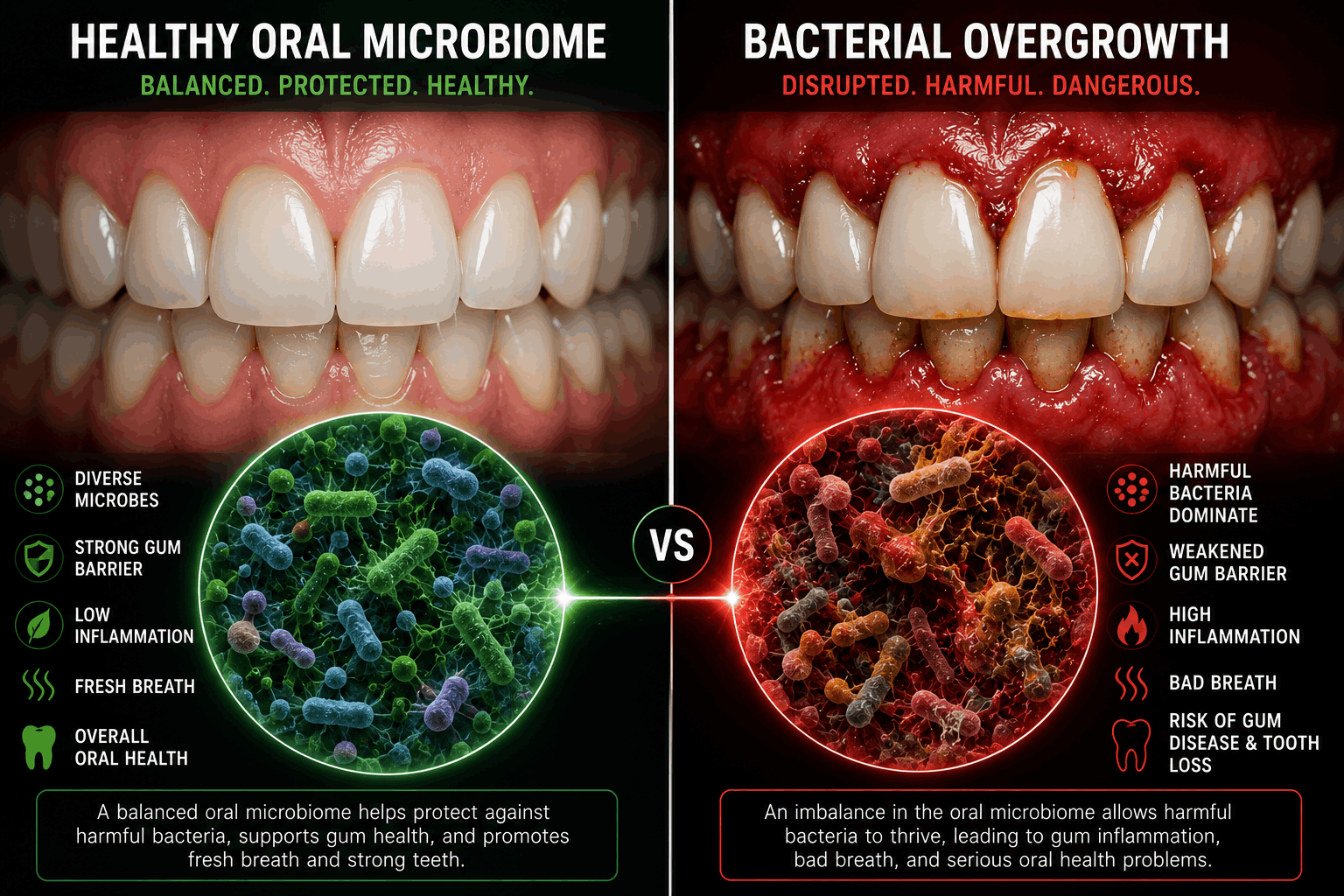
These bacteria produce acids and toxins that can irritate gum tissue and disrupt the balance of the oral microbiome.

The oral microbiome is the community of microorganisms living inside your mouth. When harmful bacteria begin to dominate, gum problems can become more likely.

Hidden Sources of Sugar

  • Soft drinks
  • Energy drinks
  • Flavored coffee beverages
  • Sports drinks
  • Processed snacks
  • Sweetened yogurt

Better Alternatives

Choose water whenever possible and rinse your mouth after consuming sugary foods or beverages.

Habit #3: Consuming Too Much Sugar

Habit #4: Ignoring Persistent Bad Breath

Bad breath is often treated as a cosmetic issue.

Many people simply use mouthwash or chewing gum to cover the odor.

However, dentists frequently point out that chronic bad breath can be an early warning sign of an imbalance in oral bacteria.

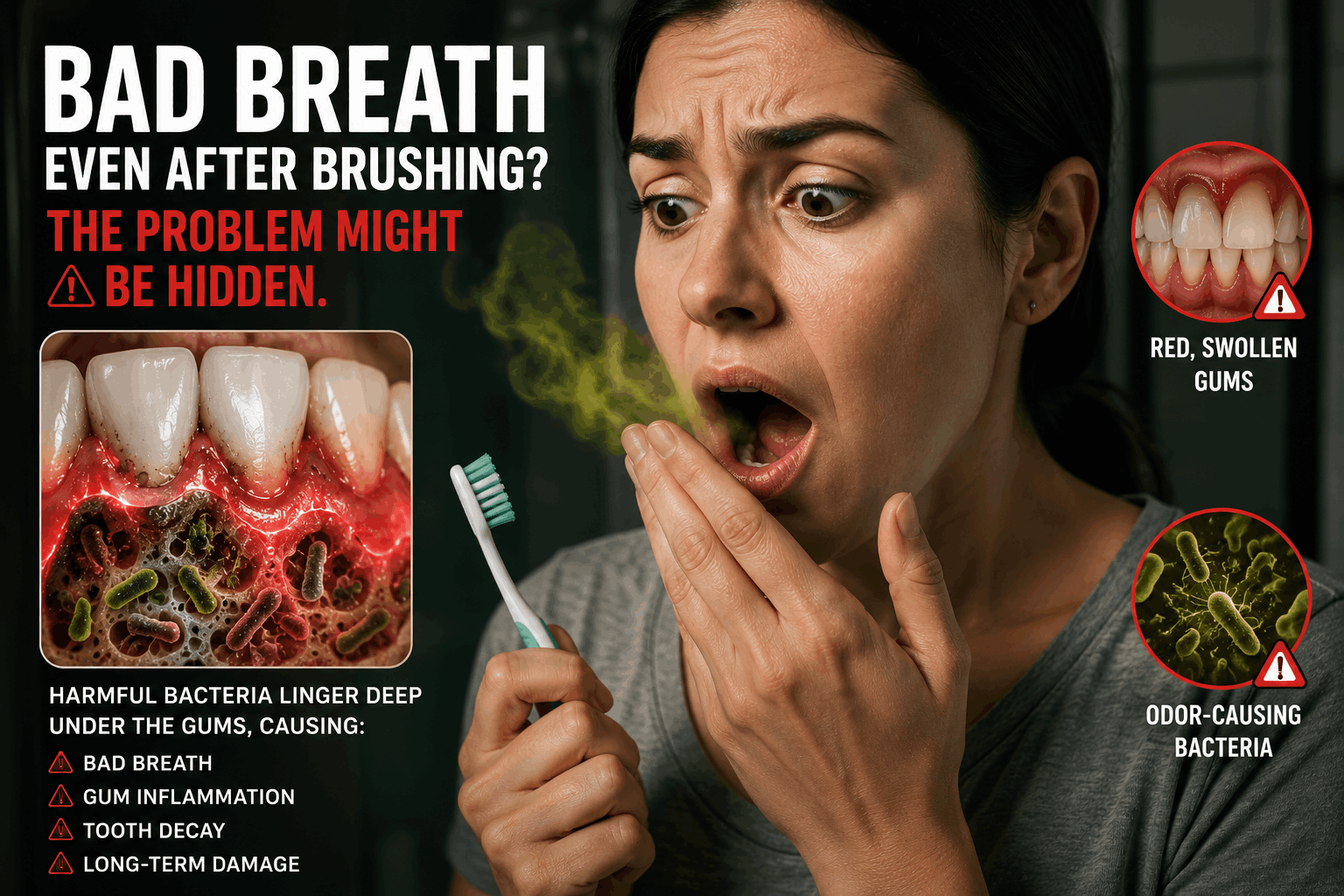
When harmful bacteria multiply below the gum line, they produce sulfur compounds responsible for unpleasant odors.

Warning Signs


  • Bad breath that returns shortly after brushing
  • Metallic taste in the mouth
  • Gum tenderness
  • White coating on the tongue
Ignoring these symptoms may allow underlying gum issues to progress unnoticed.

Bad Breadh

Habit #5: Neglecting the Oral Microbiome

One of the newest areas of dental research focuses on the oral microbiome.

Just like your digestive system contains beneficial bacteria, your mouth contains both good and bad microorganisms.

When the balance shifts toward harmful bacteria, gum irritation, plaque buildup, and unpleasant breath may become more common.

Unfortunately, modern diets, stress, smoking, and poor oral hygiene habits can disrupt this delicate balance.

Factors That Affect the Oral Microbiome

  • High-sugar diets
  • Smoking
  • Excessive alcohol consumption
  • Poor oral hygiene
  • Chronic stress
  • Certain medications
Supporting a healthy oral microbiome has become an increasingly important part of modern oral health strategies.

Oral MicroBiome

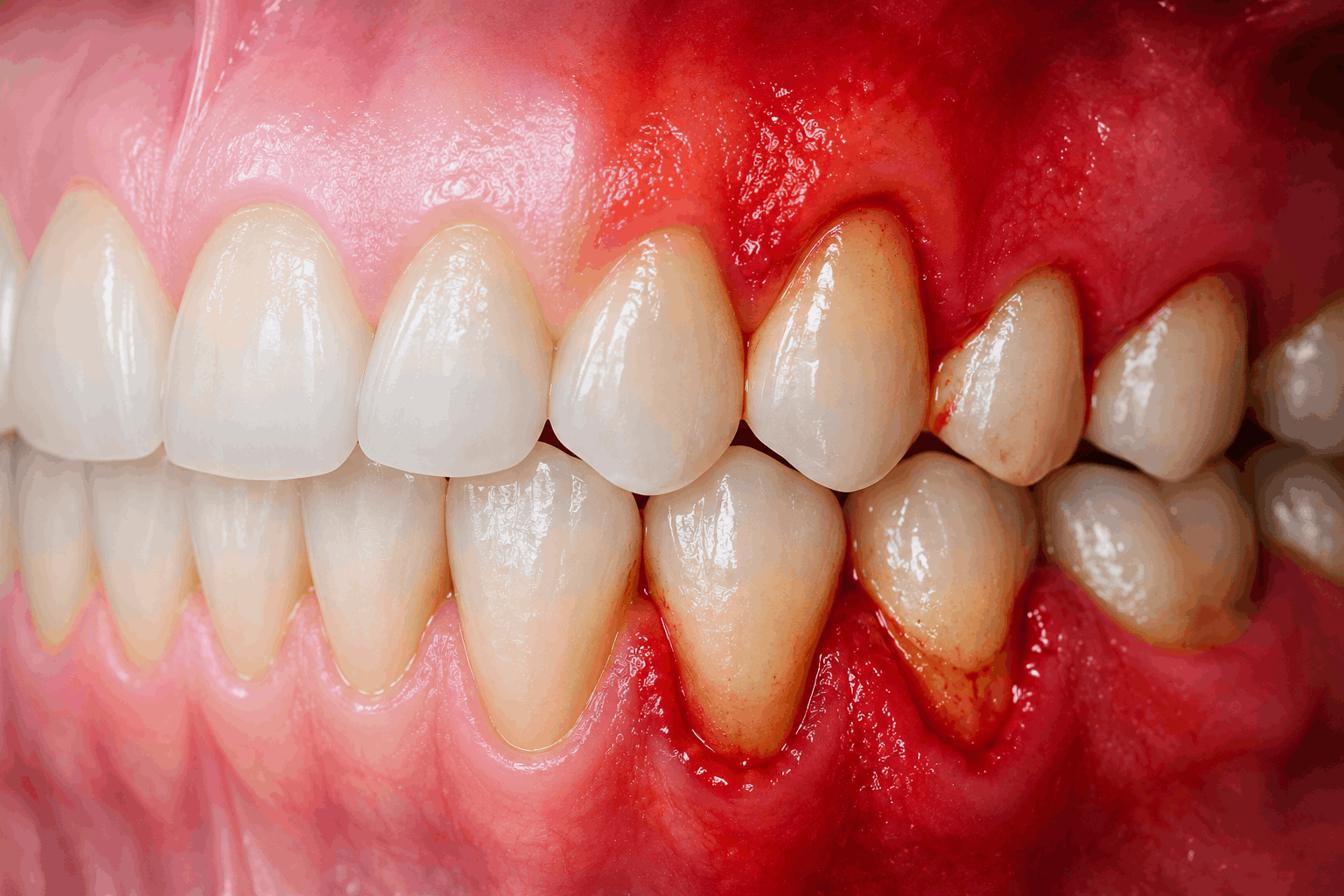
The Early Warning Signs of Gum Problems

Many people assume gum disease is obvious.

In reality, the earliest symptoms are often subtle.

Watch for:

  • Bleeding when brushing
  • Red or swollen gums
  • Persistent bad breath
  • Gum tenderness
  • Receding gums
  • Loose teeth
  • Increased tooth sensitivity
The earlier these signs are addressed, the easier it is to support long-term gum health.

Healthy Gum VS Bad Gum

Beyond Brushing and Flossing

Traditional oral care practices remain essential.

Dentists generally recommend:

  • Brushing twice daily
  • Flossing once daily
  • Regular dental checkups
  • Limiting sugar intake
  • Staying hydrated
However, growing research suggests that maintaining a balanced oral microbiome may provide additional support for healthy gums and fresh breath.

This is one reason many people are exploring oral health supplements as part of their daily routine.

Beyond Brushing and Flossing

A Natural Approach to Supporting Oral Health

For individuals looking to go beyond traditional oral care methods, Denticore has gained attention as a natural oral health support supplement.

Unlike products that focus solely on cleaning the surface of teeth, Denticore is designed to support a healthier oral environment from within.

Its formula contains carefully selected ingredients intended to help maintain oral wellness, support healthy gums, and promote fresher breath.

Many users report incorporating Denticore alongside brushing, flossing, and regular dental care as part of a more comprehensive oral health routine.

Potential Benefits Reported by Users

  • Support for healthy gums
  • Fresher breath
  • Improved oral comfort
  • Enhanced oral wellness support
  • Daily microbiome-friendly support
As with any supplement, individual results may vary, and Denticore should complement—not replace—good oral hygiene habits and professional dental care.

Final Thoughts

Healthy gums don't happen by accident.

Small daily habits can have a major impact on your oral health over time. Brushing too hard, skipping flossing, consuming excessive sugar, ignoring bad breath, and neglecting the oral microbiome are all habits that may quietly contribute to gum problems.

The good news is that awareness is the first step toward improvement.

By adopting healthier oral care practices and supporting your mouth's natural balance, you can help protect your gums and maintain a healthier smile for years to come.

If you're looking for an additional way to support your oral wellness routine, Denticore may be worth exploring as part of a comprehensive approach to gum and oral health.
The information on this website is provided just for informative reasons and is not meant to be used in the diagnosis, treatment, cure, or prevention of any disease. The assertions on this website have not been reviewed by the FDA. Before taking any supplements or making any changes to your diet or exercise routine, be sure to speak with a qualified physician. Individual outcomes might differ. The use of third-party trademarks and trade names on this website does not imply that these parties are connected to or endorse our website. We might receive compensation from the merchant if you click on one of their links and make a purchase on their website.
Disclaimer: Our website provides knowledgeable product reviews. We might receive compensation when you buy something from our website; this might come in the shape of a small affiliate commission. The information on this website is provided only for educational purposes and is not meant to be a substitute for advice from your doctor or another healthcare professional. The products have not undergone FDA scrutiny and are not intended for use in diagnosing, treating, curing, or preventing any illnesses.

© Copyright 2026 Denticore™ - All Rights Reserved 
Privacy Policy | Disclaimer | Terms

No Code Website Builder